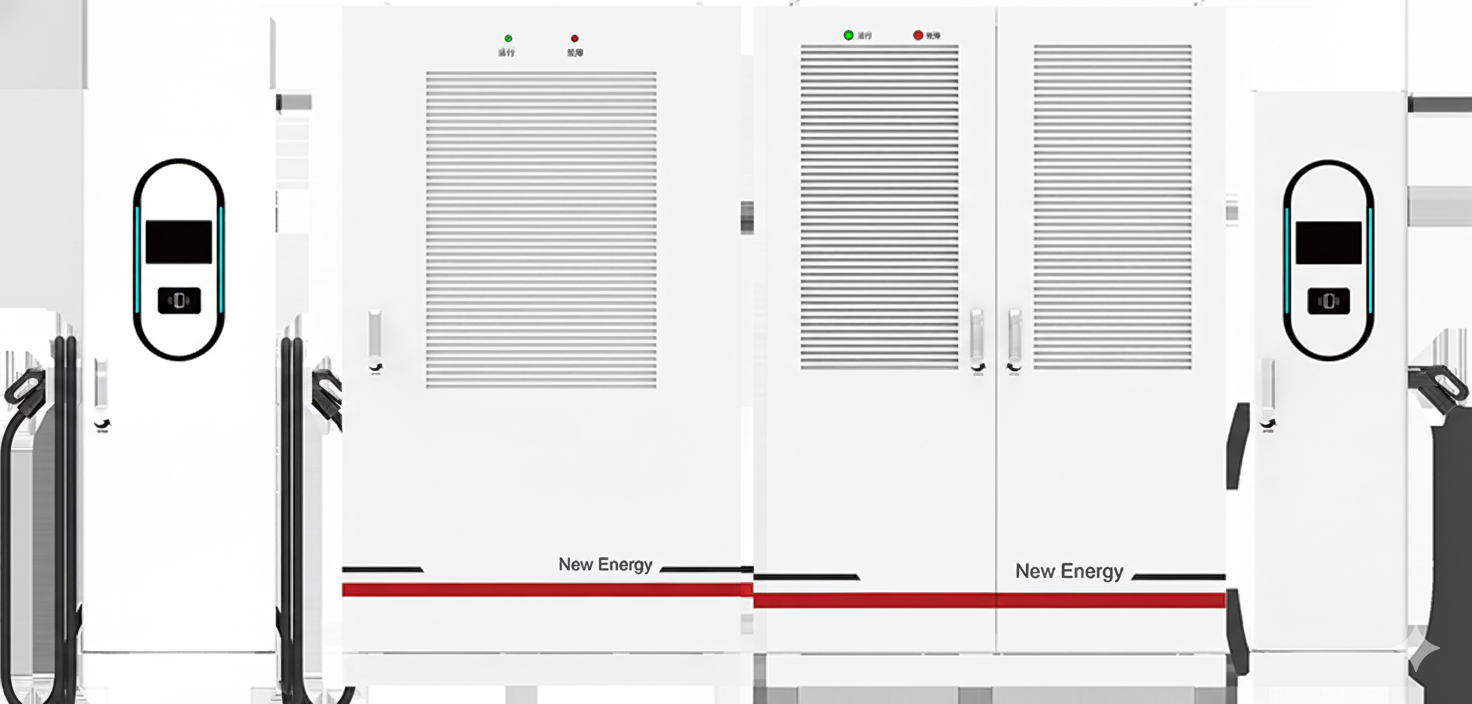



Renewable Integration -- Utility-Scale Energy Storage System Guide
Utility-Scale Energy Storage for Renewable Integration: A Comprehensive Buyer’s Guide
Executive Summary:
Utility-scale battery energy storage systems (BESS) are essential for integrating renewable resources into the grid, providing frequency regulation, capacity, and peak support. Decision-makers must evaluate technical specifications, compliance factors, and long-term ROI to select the right system for their renewable integration objectives.
Introduction:
As renewable generation resources proliferate on modern grids, utilities, IPPs, and EPCs encounter new operational and compliance challenges. Unpredictable solar and wind output strain system stability, complicate tariff arbitrage, and precipitate new fire and safety requirements. Sophisticated utility-scale energy storage systems (ESS) can efficiently manage these dynamics, yet their effective deployment requires technical precision—from site feasibility and system sizing to standards adherence and lifecycle planning. This guide demystifies the practical engineering and commercial factors for integrating MW-scale storage within renewable-heavy portfolios.
Featured Snippet:
Renewable integration is the process of combining grid-scale energy storage systems, like utility-scale battery storage, with variable renewable resources to maintain grid stability, ensure reliable capacity, and comply with regulatory and safety standards during periods of fluctuating renewable output.
What is Renewable Integration?
Core Roles of Utility-Scale BESS in Renewable Integration
Technical Architecture: How Does a Utility-Scale BESS Work?
Key Engineering and Compliance Considerations
Application Scenarios and Industry Use Cases
Advantages of Utility-Scale BESS for Renewables
System Limitations and Real-World Trade-offs
Buyer’s Guide: How to Specify and Select an ESS for Renewables
Maintenance and Lifecycle Planning
Frequently Asked Questions
Conclusion and Next Steps
What is Renewable Integration?
Renewable integration describes the process of effectively combining intermittent renewable energy sources, such as solar PV and wind, with advanced energy storage to ensure a balanced, reliable, and compliant power system. Variable renewable output can cause frequency fluctuations, rapid ramping events, and challenges for traditional grid infrastructure. Utility-scale BESS mitigate these issues by absorbing excess generation, delivering stored energy during deficits, and participating in essential grid services. Successful renewable integration requires careful consideration of site-specific load profiles, system interconnection constraints, and industry safety standards.
Core Roles of Utility-Scale BESS in Renewable Integration
Utility-scale battery energy storage systems support renewable-heavy grids across three main functional categories:
Frequency Regulation: Rapid charge-discharge cycling to maintain grid frequency, responding automatically to supply-demand imbalances created by renewables.
Capacity and Peak Support: Shaving peak demand periods, storing surplus renewable energy for time-shifting to later discharge, and providing backup during renewable lulls.
Transmission & Distribution (T&D) Deferral: Siting BESS at strategic grid locations to alleviate loading on existing infrastructure, deferring expensive upgrades prompted by increased renewable penetration.
By delivering these capabilities, utility-scale BESS help energy-buying organizations meet decarbonization, reliability, and market participation targets.
Technical Architecture: How Does a Utility-Scale BESS Work?
System Components and Integration Points
A typical utility-scale BESS consists of the following major elements:
Battery Racks: MW-scale arrays of lithium-ion modules, governed by stringent cell- and system-level standards (IEC 62619, IEC 62933).
Power Conversion System (PCS): Bidirectional inverters that manage AC/DC energy flow to and from the grid, set to handle defined MW and MWh capacities.
Battery Management System (BMS): Ensures cell balancing, continuous health monitoring, and alarms for abnormal conditions.
Energy Management System (EMS): Provides scheduling, dispatch, and interface with plant SCADA for real-time operations, market signals, and DERMS integration.
Plant Controller / SCADA: Integrates storage assets with renewable generation, plant controls, metering, and grid interconnection points.
Grid Code and Interconnection
Systems are engineered to local grid codes (e.g., North American, ENTSO-E, or Australian standards), which dictate voltage response, fault ride-through, ramp rate, and metering precision. Careful specification of interconnection hardware and compliance documentation is required for grid operator acceptance.
Power and Duration Sizing
The rated power (in MW) and duration (in hours—yielding MWh) must align with the site’s renewable generation profile, grid needs, and relevant capacity markets. Typical ranges for utility applications are 10–100+ MW, with durations from 1 to 8 hours depending on use case.
Key Engineering and Compliance Considerations
Standards and Regulatory Frameworks
UL 9540 / UL 9540A: North American standards for energy storage system safety and thermal runaway propagation testing.
IEC 62619 / IEC 62933: International standards for cell- and system-level safety and performance.
UN 38.3: Mandated lithium battery transport safety standard, critical from factory to site delivery.
NFPA 855 & Local Fire Codes: Installation, siting, and fire protection requirements for utility-scale ESS deployments.
CE Marking: Essential for European market access, indicating conformity with EU health, safety, and environmental protection directives.
Professional diligence in system engineering, documentation, and review against these standards is mandatory at both procurement and permitting stages.
Integration of Control Systems
PCS, BMS, and EMS subsystems require harmonized communication protocols and cyber-security safeguards. Legacy T&D SCADA may require protocol adapters or upgrades to interface modern BESS dashboards and controls. Each integration point should be performance-tested under real and simulated grid events.
Round-Trip Efficiency and Lifecycle Degradation
Actual round-trip efficiency (RTE)—the percentage of input energy delivered back to the grid—should be tracked over the lifetime of the system. RTE typically ranges from 85–90% at commissioning, with a gradual reduction due to cell degradation, wiring losses, and auxiliary loads. Lifecycle augmentation plans (additional capacity installed over time) can offset degradation impacts and are critical to ensuring warranty compliance and financial predictability.
Application Scenarios and Industry Use Cases
Solar-Plus-Storage for IPPs: Large EPCs design 50+ MW BESS to time-shift midday solar overgeneration to evening peak—boosting project PPA value in markets with negative noon pricing.
Renewable Portfolio Integration for Utilities: 4-hour, 100 MW systems smooth multi-GW renewable portfolios, reducing curtailment penalties and compliance charges for non-synchronous inertia.
Microgrid and T&D Deferral: Distribution utilities install localized BESS to absorb rooftop PV surges and avoid transformer/feeder overbuilds, complying with local capacity allocation protocols.
Advantages of Utility-Scale BESS for Renewables
Flexible Asset Dispatch: Rapid ramping and charge/discharge windows tightly align with renewable generation ramps and grid operator signals.
Revenue Stacking: Simultaneously participate in capacity, energy, and ancillary services markets to maximize asset ROI.
Non-Wires Alternative: Defer or avoid multi-million dollar investment cycles in traditional T&D upgrades by deploying storage at strategic system nodes.
Enhanced Reliability: Black start, spinning reserve, and emergency backup now possible without fossil generation.
System Limitations and Real-World Trade-offs
Degradation and Augmentation: Lithium-ion cells lose usable capacity over thousands of cycles, necessitating augmentation investments and impacting total cost-of-ownership models.
Permitting and Siting Constraints: Utility-scale systems face rigorous fire safety reviews (e.g., NFPA 855), land-use restrictions, and may require nearby grid interconnection—affecting time-to-operation.
Thermal Management Needs: BESS installations, especially in hot or cold climates, require robust HVAC and fire protection systems to meet safety code and maximize asset life.
Round-Trip Efficiency Losses: Every storage cycle incurs energy losses; multi-use or high-cycling applications must factor in these reductions when modeling ROI.
Buyer’s Guide: How to Specify and Select an ESS for Renewables
Key Selection Criteria
Power (MW) and Duration (hours): Align capabilities to your site’s peak renewable surpluses and anticipated deficit intervals. Margin for energy throughput and future expansion should be considered.
Cycling Profile: Define the number of expected full cycles per day; this impacts both warranty specifics and total cost projections.
Augmentation Strategy: Assess whether the vendor offers planned augmentation, and whether augmentation costs and performance curves are contractually defined.
Grid Code / Interconnection: Confirm product compatibility with local interconnection requirements (e.g., remote tripping, ride-through, voltage/frequency performance) and seek detailed vendor compliance documentation.
Integrated Controls: Evaluate EMS, BMS, and SCADA integration quality—ask for references, interoperability testing records, and cybersecurity credentials.
Warranty Scope: Scrutinize cycling, energy throughput, calendar period, and exclusion clauses; clarify manufacturer data needs for supporting a valid warranty claim.
Data Needed for Quotation
Manufacturers require: site-specific load and renewable resource profiles, grid interconnection point and type, anticipated operating profile (number of cycles, depth of discharge), local grid/compliance regimes, and site-specific permitting/fire code constraints for an actionable quotation.
Maintenance and Lifecycle Planning
Routine preventive maintenance includes HVAC inspection, fire suppression system checks, battery health diagnostics, and firmware updates for critical controls (PCS/BMS/EMS). Most systems require remote monitoring and periodic field visit intervals defined by vendor guidelines and local safety regulations. Scheduled performance verification (e.g., RTE and cell balancing) can prevent warranty disputes. Written procedures should be aligned with manufacturer recommendations, local fire code, and insurance requirements.
Frequently Asked Questions
What defines a utility BESS specification (MW, MWh, duration, cycles)?
A utility BESS is typically specified by its rated power output (MW), total stored energy (MWh), discharge duration (hours at rated MW), and expected cycling profile (full cycles per day/year), tailored to the operational objectives and local grid demands.
Which compliance standards are essential for grid-scale storage?
North American buyers should reference UL 9540 and UL 9540A for safety, with installation under NFPA 855 and local fire codes. International deployments refer to IEC 62619/IEC 62933 for product safety and performance, UN 38.3 for transport safety, and CE marking for EU market entry.
How is system longevity ensured as cells degrade?
Longevity is achieved via planned augmentation—installing additional battery capacity to offset degradation—and by monitoring cycling, state of charge limits, and implementing active cooling/fire protection systems to meet warranty and code requirements.
What data does an EPC or C&I buyer need to supply for accurate vendor quotes?
Essential data includes site load curves, renewable resource profiles, interconnection specifics, target cycling regime, relevant local standards, and site-specific siting or permitting constraints to enable precise system engineering and pricing.
Can a BESS provide multiple services simultaneously?
Modern BESS, with integrated EMS, are configured for revenue stacking—delivering capacity, frequency response, and reserve power as market and grid conditions dictate. The ability to combine or prioritize services depends on vendor controls integration and market rules.
Conclusion and Next Steps
Integrating utility-scale energy storage with renewable generation is a technically nuanced and compliance-driven endeavor. Success depends on accurate system sizing, standards-based engineering, robust controls integration, and clear understanding of warranty and lifecycle demands. For organizations seeking a reliable, compliant, and ROI-focused solution to renewable integration, thorough project scoping and direct consultation with a qualified energy storage manufacturer is the next logical step.