




Microgrid Storage -- Utility-Scale Energy Storage System Guide
Microgrid Storage: The Utility-Scale Energy Storage System Guide for Grid, Renewable, and Capacity Support
Executive Summary: Utility-scale microgrid storage delivers flexible MW-scale energy storage for grid services, renewables integration, and peak capacity. Selection, compliance, and system integration require clear technical and financial criteria for each application. Understanding manufacturer data requirements and compliance standards is crucial for project success.
Introduction: Facility managers, energy buyers, consulting engineers, and EPC firms today face increased complexity in optimizing distributed and utility-scale energy solutions. Sizing, integrating, and operating battery energy storage systems (BESS) for microgrids or grid support calls for precise technical understanding—regulatory compliance, system safety, financial ROI, and seamless integration with existing assets all matter. This guide specifically addresses the key decisions and engineering considerations for deploying utility-scale microgrid storage, focusing on robust data-driven selection for capacity, grid codes, and use case delivery.
Featured Snippet: Microgrid storage refers to MW-scale battery energy storage systems (BESS) engineered to provide frequency regulation, peak capacity support, and renewable integration for utilities, IPPs, and large energy users—combining real-time grid controls, robust safety compliance, and economic optimization to enable distributed, resilient power management.
- Understanding Utility-Scale Microgrid Storage
- Core Applications and Use Cases
- Technical Foundations: System Design and Integration
- Standards, Codes, and Regulatory Compliance
- Selection Criteria for Microgrid Storage Projects
- Maintenance and Lifecycle Considerations
- Frequently Asked Questions (FAQ)
- Summary and Next Steps
Understanding Utility-Scale Microgrid Storage
Utility-scale microgrid storage, often referred to as grid storage, comprises battery energy storage systems (BESS) designed to deliver megawatt-level power and multi-hour energy for large-scale power networks. Unlike behind-the-meter or residential batteries, these systems address the demand profiles and reliability expectations of utilities, independent power producers (IPPs), and commercial & industrial (C&I) sites. Systems of this scale are engineered with robust control, chemistry, and safety architectures—precisely tailored for commercial integration, frequency support, and seamless renewable interfacing.
Defining Specifications: MW, MWh, Duration, and Cycles
The core specification parameters for a utility BESS in microgrid storage include rated power (MW), usable energy (MWh), discharge duration (hours at rated output), and cycling capability (number/shape of daily charge-discharge cycles). Size to load profiles and tariff structures, not just nameplate values, is required for accurate ROI modeling and operational reliability.
System Architecture and Functional Overview
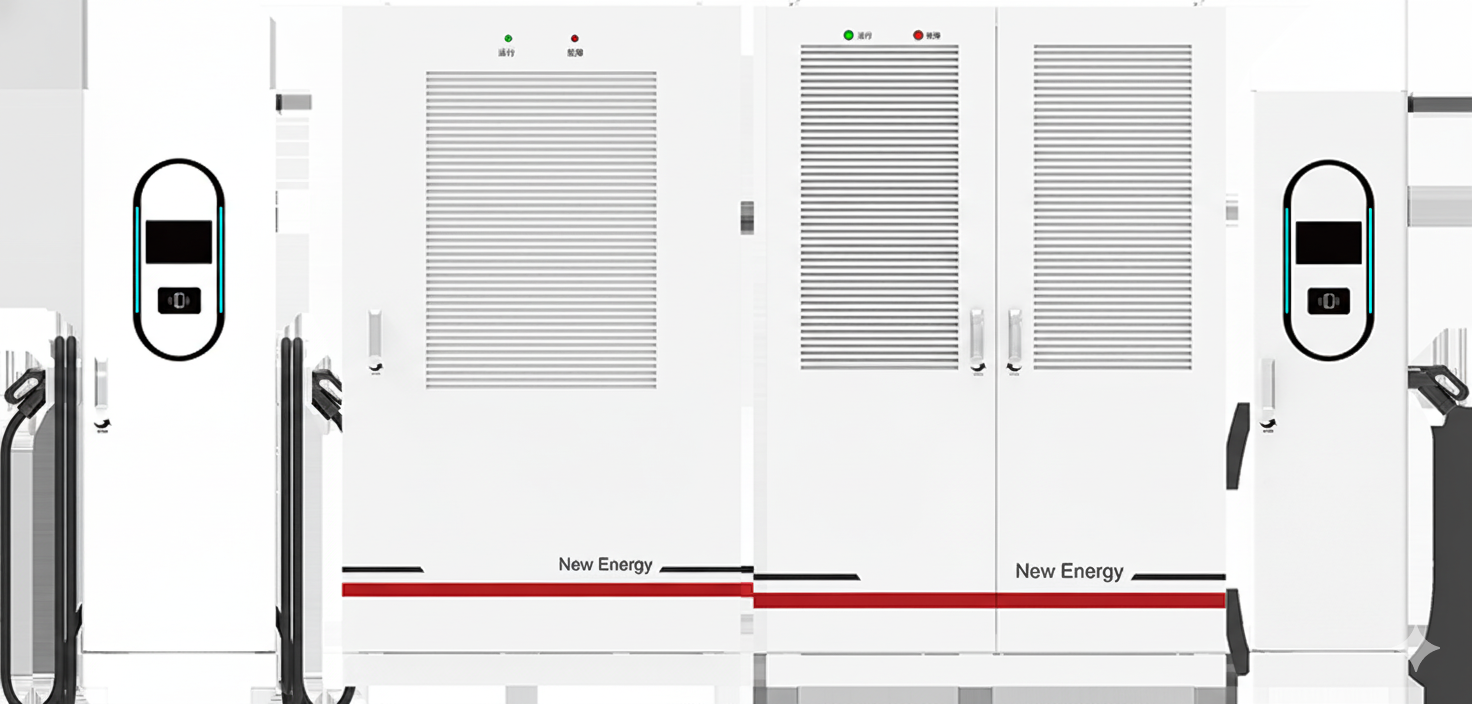
A typical utility-scale BESS includes battery racks (using lithium-ion, LFP, or comparable chemistries), power conversion systems (PCS), energy management systems (EMS), plant/controllers, HVAC/fire safety, and integrated SCADA interfaces—enabling distributed or grid-committed operation under real market and regulatory conditions.
Core Applications and Use Cases
Frequency Regulation and Grid Services
BESS assets deliver high-speed frequency support by injecting or absorbing power with millisecond response. For system operators, this fast regulation balances short-term supply/demand mismatches and stabilizes grid frequency—either autonomously under site control or via market participation programs (e.g., PJM Regulation Market, National Grid EFR in the UK).
Capacity and Peak Demand Management
During system peaks or local constraints, utility BESS can supply stored energy—averting expensive grid upgrades, deferring T&D reinforcement, and reducing demand charges for C&I buyers. For competitive power markets, BESS may provide capacity market products or bilateral capacity contracts.
Renewable Integration and Firming
Intermittent renewables benefit from co-located or grid-tied storage that smooths output, fills shortfalls, and shifts production to high-value periods. This application is critical for solar or wind-rich microgrids: storage ensures ramp-rate compliance, mitigates forecast error, and supports “firmed” renewable PPA delivery.
T&D Deferral and Reliability
In weaker or saturated distribution networks, microgrid storage supplies local power during faults, planned outages, or load pockets—minimizing costly infrastructure upgrades and enhancing local resilience. Successful deployments typically integrate with advanced plant controllers and local microgrid EMS.
Technical Foundations: System Design and Integration
Battery Chemistry and Engineering
Most utility-scale BESS use lithium-ion chemistries, with Lithium Iron Phosphate (LFP) increasingly favored for thermal stability and long-cycle applications—especially where fire code compliance and transport safety (UN 38.3) are prioritized. Engineering tolerances for cell, pack, and rack design must meet both IEC 62619 (cell safety) and IEC 62933 (system requirements) to enable global deployments.
PCS: Power Conversion System
The PCS conditions DC battery output to utility-grade AC, supporting grid-interactive functions (e.g., islanded black start, grid-following/facilitating operation). Integration with site-specific grid codes—frequency, voltage ride-through, and synchronization—requires a configurable and standards-compliant PCS.
EMS and SCADA Integration
Site-wide energy management is orchestrated via plant controllers and EMS platforms that aggregate BESS state, schedule charge/discharge, and interface with market signals. Industry-standard SCADA integrations provide system visibility, alarm management, and remote operations—supporting both commercial interfaces and regulatory compliance reporting.
Thermal Management and Fire Safety
Effective HVAC and active fire suppression are mandatory for utility BESS. UL 9540 governs system-level safety, with UL 9540A for thermal runaway propagation studies. For siting, NFPA 855 and local Authority Having Jurisdiction (AHJ) requirements drive system layout—container separation, ventilation, and first responder access.
Standards, Codes, and Regulatory Compliance
Core Safety and Performance Standards
- UL 9540/9540A: Defines BESS safety evaluation and fire/thermal runaway testing for North America.
- IEC 62619/62933: Internationally recognized standards for cell- and system-level safety, performance, and interoperability.
- UN 38.3: Mandatory for global transport of lithium batteries—requires shock, vibration, and abuse testing.
- NFPA 855: Essential for fire code compliance and safe installation/siting for large-scale systems.
- CE Marking: Required for European market access; confirms compliance with relevant EN/IEC directives.
Grid Code and Interconnection
Microgrid BESS must be engineered to satisfy interconnection standards such as IEEE 1547 for North America, G99/G100 for the UK, and relevant Australian Energy Market Operator (AEMO) requirements. Delivering voltage/frequency ride-through, grid support, and black start functions often dictate PCS and controller configuration during system specification.
Selection Criteria for Microgrid Storage Projects
Power and Duration Requirements
Define MW output and MWh storage explicitly, matched to site load profiles and grid/renewable integration needs. Consider both instantaneous (max power) and sustained (max duration) capability.
Cycling Profile and Battery Life
Quantify expected daily cycles, depth of discharge, and seasonal variation. Higher-cycling (e.g., frequency regulation) applications demand chemistries and control strategies suited for long, warranty-backed operational life.
Augmentation Planning
Anticipate battery degradation and plan either physical augmentation (adding new racks) or capacity derating over project life. Review manufacturer augmentation roadmap and warranty scope in detail.
Compliance, Fire Code, and Permitting
Determine site-specific requirements for UL 9540/9540A, local fire marshal sign-off, NFPA 855, and grid interconnection. Early engagement with AHJ and utility is essential—non-compliance can delay or derail projects.
Manufacturer Quotation Requirements
- Detailed site load and tariff data (time-series intervals)
- Planned application stack (regulation, demand management, backup, etc.)
- Site layout, interconnection voltage, and utility requirements
- Fire code, noise, and siting constraints
Maintenance and Lifecycle Considerations
Routine Inspection and Preventive Maintenance
Scheduled BESS maintenance includes inspection of HVAC, PCS, safety systems, and battery racks per OEM and certification body recommendations. Annual or semi-annual thermographic inspections, filter cleaning, and functional safety tests are typical.
Performance Monitoring and Control System Updates
Continuous SCADA/EMS monitoring logs system health, alarms, and operational telemetry. Software/firmware updates for control system, PCS, and EMS should be managed to maintain cyber and functional security. Warranty terms may specify minimum data retention and reporting requirements.
End-of-Life and Recycling
Plan for battery pack/module recycling or disposal to meet local waste and extended producer responsibility regulations. Many reputable OEMs offer takeback or recycling partnerships; align this step with sustainability or compliance policies.
Frequently Asked Questions (FAQ)
What defines a utility-scale BESS specification (MW, MWh, duration, cycles)?
Specifications are determined by the required maximum output power (MW), usable stored energy (MWh), the duration the system needs to discharge at rated power (hours), and the anticipated number of charge-discharge cycles per year. Sizing must align these metrics to the real load/tariff profile and system application—one-size-fits-all approaches are rarely optimal.
What data does a manufacturer need for an accurate quotation?
Manufacturers require site load data (typically 15-min or 1-hour intervals for at least twelve months), details on intended BESS applications (e.g., frequency regulation, demand response, backup), interconnection requirements, physical site constraints, and fire code or local permitting considerations. Accurate, granular data accelerates design and quoting.
How do plant controller and integration affect project outcomes?
Robust plant controller/EMS integration enables optimized scheduling, reliable grid- or site-following operations, and compliance with tariff or ancillary service market rules. Poorly integrated controls can lead to lost value, increased downtime, or non-compliance with operator requirements.
What are key standards and codes for utility BESS deployment?
UL 9540/9540A (North America), IEC 62619/62933 (international), UN 38.3 (battery transport), NFPA 855 (fire safety/install), and CE marking (Europe) constitute the core compliance landscape. Local AHJ, utility interconnection (IEEE, G99, AEMO, etc.), and insurer requirements must always be confirmed at project outset.
What are typical maintenance requirements and lifecycles?
BESS maintenance typically includes at least annual electrical, thermal, and safety inspections, ongoing filter/HVAC service, and periodic software updates. Battery life is a function of cycle count, site environmental conditions, and application mix—plan for augmentation or capacity derating over the asset’s warranted life.
Summary and Next Steps
Correctly specifying, sourcing, and deploying utility-scale microgrid storage requires aligning technical, operational, and compliance criteria to actual project conditions. Buyer diligence during pre-specification—load data collection, standards review, and integration planning—is essential for risk reduction and maximizing system value. For comprehensive advice or a tailored microgrid storage proposal, reach out to a qualified technical specialist to review your specific project requirements.