

Commercial Ess -- Other Energy Storage Topics Guide
Commercial ESS: The Comprehensive Guide to Energy Storage Sourcing and Integration
Executive Summary: Commercial energy storage systems (ESS) offer industrial buyers flexible, ROI-focused solutions for load management, energy cost optimization, and grid integration. This guide addresses key sourcing considerations, compliance, safety expectations, and data requirements for effective BESS projects.
Introduction: Choosing and integrating a commercial energy storage system involves far more than hardware selection: decision-makers face complex questions related to project scope, compliance, supplier capability, and technical integration. The rapid evolution of Battery Energy Storage System (BESS) technology and tightening regulations—such as UL 9540, IEC 62933, and NFPA 855—add new variables to every procurement. This article guides facilities managers, EPC engineers, and procurement professionals through application scoping, specification, and the standards baseline essential for commercial projects in North America, Europe, and Australia.
Featured Snippet: A commercial ESS (Energy Storage System) enables businesses and facilities to store, manage, and optimize electricity use by integrating batteries, power conversion equipment, and advanced controls, supporting grid resilience, tariff optimization, and compliance with major safety standards including UL 9540 and IEC 62933.
Defining Commercial ESS: System Fundamentals
Core Engineering and Compliance Considerations
Commercial ESS Applications by Industry
Advantages of Modern Energy Storage Systems
Limitations and Practical Trade-Offs
BESS Supplier and Product Selection Guide
Maintenance and Lifecycle Considerations
Frequently Asked Questions
Conclusion and Next Steps
Defining Commercial ESS: System Fundamentals
Commercial Energy Storage Systems (ESS) serve as modular platforms for electricity storage, delivery, and grid services within commercial and industrial settings. A typical ESS comprises:
Cells and Modules: Most commonly lithium-ion, configured for required voltage and capacity.
Battery Management System (BMS): Ensures cell balance, safety cutoff, and state-of-charge monitoring.
Power Conversion System (PCS): Bi-directional inverter for AC/DC conversion, managing grid and onsite load interaction.
Energy Management System (EMS): Supervises dispatch, tariff response, and integration with building energy management.
Thermal management and safety enclosures: Fire suppression, HVAC, and physical containment often required for code compliance.
Unlike residential systems, commercial ESS typically support higher power ratings (hundreds of kW to MW-scale), targeted cycle life, and compliance with stringent safety and transport standards. They may be deployed as standalone behind-the-meter assets or integrated with onsite renewables (solar PV, wind), EV charging hubs, or microgrids.
Core Engineering and Compliance Considerations
System Sizing and Load Profile Data
Proper sizing is driven by site-specific load patterns, peak demand charges, backup requirements, and expected tariff regimes. Facilities must provide detailed interval data—ideally sub-metered, with at least 15-minute granularity over 12 months—for accurate quotation and system right-sizing by ESS manufacturers. This allows simulation of cost savings, resilience benefit, and correct enclosure/thermal design.
Safety, Fire, and Transport Standards
Industrial buyers should ensure candidate BESS suppliers can demonstrate system-level testing to UL 9540 or local equivalent, with cell/module thermal-runaway propagation testing as seen in UL 9540A or IEC 62933. International shipments will require UN 38.3 compliance for transport safety. Installation is subject to NFPA 855 in the US, with local authority having jurisdiction (AHJ) often stipulating stricter fire suppression and clearance requirements for indoor or rooftop siting. EU and Australia may require CE conformance, referencing IEC 62619 for cell safety.
System Integration Constraints
Many ESS projects stall due to late-stage incompatibilities between PCS, BMS, and EMS platforms. Stakeholders must vet suppliers’ integration histories, protocol support (e.g., Modbus TCP, IEC 61850), and capability to harmonize with HVAC/fire controls and SCADA systems at the project’s design phase. Warranty and performance guarantee scopes must be unambiguously defined—these may hinge on proper system start-up, operational window adherence, and telemetry access.
Commercial ESS Applications by Industry
Manufacturing Facilities: Offset peak demand charges, harmonize with variable energy tariffs, and enable process backup for critical loads during grid events.
Data Centers: Enhance resilience and provide rapid response in tandem with generator or UPS systems.
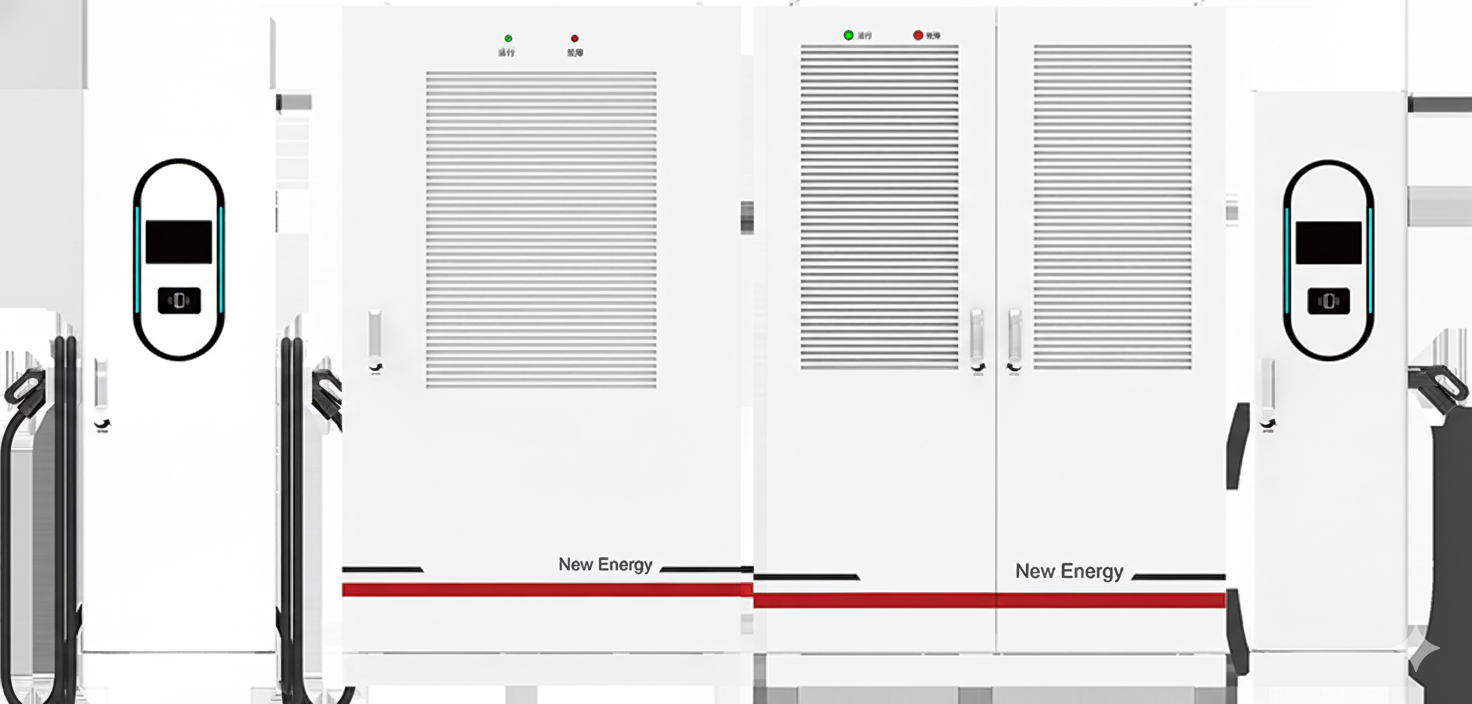
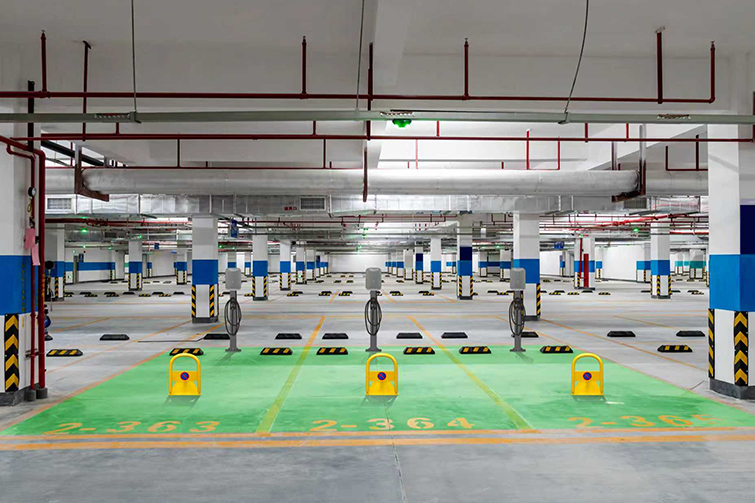
EV Charging Depots: Buffer grid impact, support fast charging, and optimize for local renewables integration.
Commercial Real Estate: Tenant-side energy cost control, backup power for elevators/fire protection, and ESG compliance.
Retail and Cold Storage: Maintain refrigeration loads during outages, participate in local demand-response markets.
Advantages of Modern Energy Storage Systems
Tariff Optimization: Reduce electricity bills by shifting consumption away from peak tariffs or utilizing time-of-use arbitrage.
Increased Resilience: Provide critical backup for essential loads, exceeding the response speed of traditional generators.
Grid Interoperability: Participate in utility demand response, frequency regulation, or local energy market programs.
Scalability: Modular designs allow staged expansion, matching growing facility needs without wholesale replacement.
Compliance Ready: Support for modern safety codes and ability to furnish required documentation for permitting.
Limitations and Practical Trade-Offs
Upfront Investment: Initial capital expenditure, especially for large commercial BESS, can challenge ROI unless aligned with local incentives or sharp demand tariffs.
Footprint and Siting: Space for containers or enclosures may be limited in retrofit scenarios; outdoor siting raises specific weatherization or security requirements.
Complexity of Permitting: Navigating compliance with UL 9540, NFPA 855, and local inspection cycles can extend project timelines.
Battery Degradation: Lithium-based systems experience capacity fade; incorrect cycling can accelerate warranty limitations or reduce useful lifetime.
Fire Safety Concerns: Although test frameworks like UL 9540A and IEC 62933 offer mitigation paths, residual risk may lead some insurers or AHJs to require additional controls.
BESS Supplier and Product Selection Guide
1. Defining the Scope of Requirement
Before soliciting bids, clarify the application: daily tariff reduction, grid backup, renewable integration, or a combination. Specify minimum/maximum load to be served, desired cycles per day, available footprint, and access types (indoor, outdoor, rooftop). List local standards that must be satisfied (UL, IEC series, CE mark, etc.).
2. Supplier Track Record and Technical Capability
Request reference projects matching your industry and region. Evaluate the manufacturer’s prior compliance with key standards (UL 9540/9540A, IEC 62933, NFPA 855). Inquire into vertical integration: are PCS, BMS, and EMS developed in-house or via third-party? Ask about interface capability for your site’s SCADA or building management systems.
3. Data Requirements for Accurate Quotation
Suppliers will need at least one year of interval load data, on a 15-minute cycle, including peak and minimum demand, any known special load events, and normal/abnormal grid outage history.
4. Warranty, Service, and Performance Guarantees
Scrutinize not just the headline warranty duration, but cycling/throughput limits, exclusion criteria (e.g. abnormal temperature events), and response times for support. Seek clarity on software and firmware updates over the system’s lifetime.
5. Integration and Documentation
Confirm the completeness of manufacturer-supplied single-line diagrams, installation guidance, and required documentation for local permitting. For international deployments, request multi-standard (UL/IEC/CE) test reports and proof of UN 38.3 certification for transport where cross-border shipment is involved.
Maintenance and Lifecycle Considerations
Annual and quarterly preventive maintenance is typically required, with schedules depending on cell chemistry and system design. This may include BMS/EMS firmware validation, inspection of thermal management hardware, physical checks for cell swelling, HV cable torque checks, and performance verification against reference values. Remote monitoring via EMS enables predictive diagnostics but may require periodic IT system updates or cybersecurity compliance review. Replacement or augmentation plans for batteries should be specified contractually at purchase, to ensure parts and support availability over the lifetime specified in project pro-forma financials.
Frequently Asked Questions
How do I choose a BESS supplier for a factory?
Start by defining your load profile and project goals: peak shaving, backup, or both. Select only suppliers with proven compliance to UL 9540, NFPA 855, and local codes, and ensure integration capability with existing facility systems. Ask for reference projects in your industry and demand detailed technical and warranty documentation up front.
What are the primary compliance requirements for commercial ESS?
System safety and performance must align with UL 9540 (system safety), UL 9540A or IEC 62933 (fire/thermal-runaway propagation), and UN 38.3 (lithium battery shipment). Installations must meet NFPA 855 or regional equivalents, along with any municipality-specific fire and permitting rules. For Europe and Australia, relevant IEC standards and CE marking apply.
How much load data is needed to prepare an accurate BESS quotation?
At least one year of interval data, with 15-minute (or finer) resolution, is best practice. This allows simulation of multiple operation scenarios and selection of the most cost-effective system size and configuration. Brief snapshots or monthly totals are inadequate for technical or commercial diligence.
Can BESS be retrofitted into older facilities?
Yes, but considerations include available space for containers or rack systems, load panel compatibility, and possible upgrades to fire protection and electrical infrastructure. A site audit should precede detailed design and procurement to surface any show-stoppers early on.
What is the typical maintenance schedule for a commercial ESS?
Most systems require quarterly or annual inspections, firmware updates, thermal and safety equipment checks, and periodic battery performance assessments. Service schedules should be reviewed and agreed upon with the supplier at contract signing.
Conclusion and Next Steps
Specifying and sourcing a commercial ESS project demands early clarity on application scope, detailed site data, and robust supplier evaluation across compliance, warranty, and integration axes. As regulatory expectations rise and BESS project complexity increases, proactive engagement with qualified suppliers—armed with the right technical information—will ensure both compliance and ROI. To start your commercial ESS project on a strong footing, consult with GSPowerTech’s experienced engineers for a targeted scoping review and project readiness assessment.