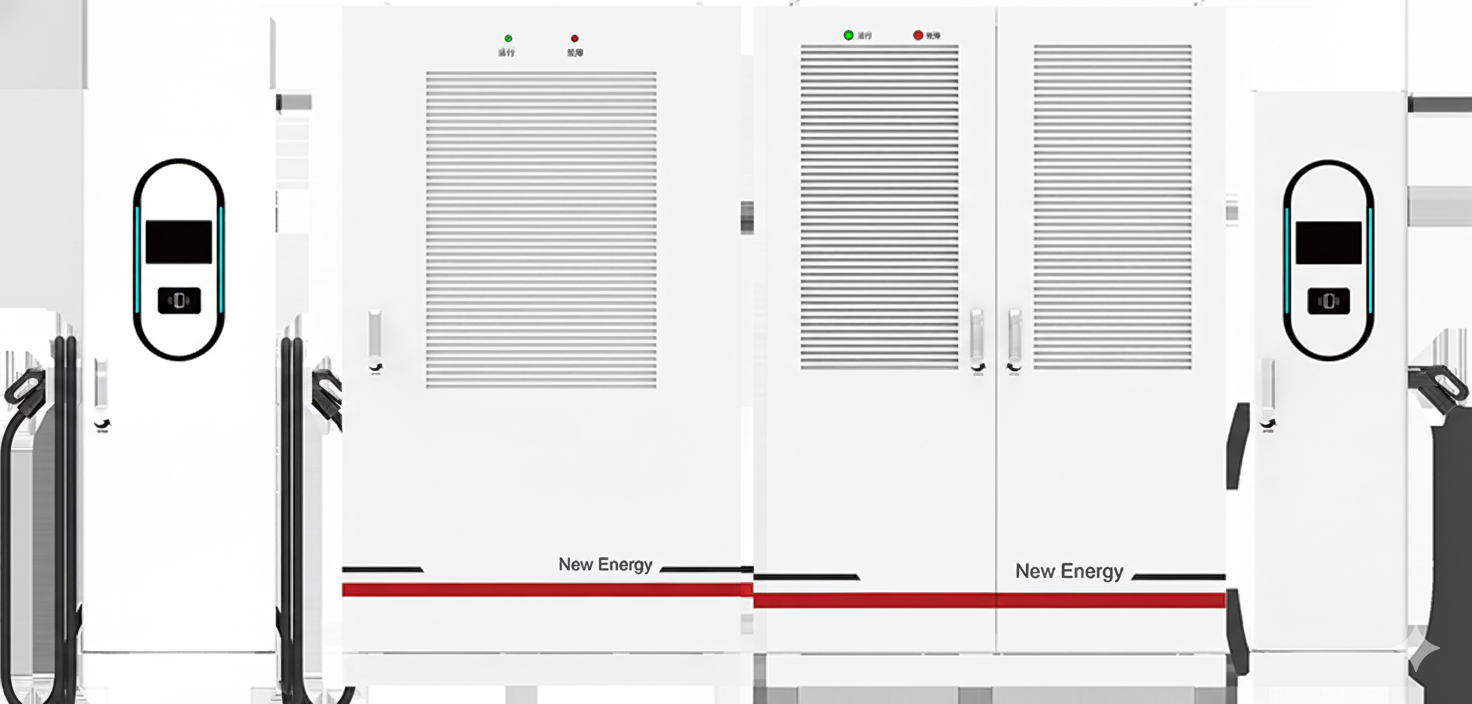






Battery Energy Storage -- Other Energy Storage Topics Guide
Battery Energy Storage: Comprehensive Guide to Technical Sourcing, Compliance, and Integration Topics
Executive Summary
Battery energy storage systems (BESS) require careful technical and regulatory evaluation before procurement. This guide addresses key sizing, specification, compliance, and integration issues that commercial and industrial buyers face, providing clarity on requirements for RFQ preparation, system interoperability, and standards compliance in North America, Europe, and Australia.
Introduction
Battery energy storage has become indispensable for facilities aiming to manage demand charges, integrate renewables, or provide resiliency. Yet, sourcing and deploying a BESS is not as simple as buying a commodity product. Buyers must translate real load profiles, tariff structures, and compliance needs into a workable system design. Suppliers expect clear requirements for quotations, while project engineers and managers must anticipate permitting, interoperability, safety, and lifecycle constraints. This guide demystifies these “other” energy storage topics — spanning pre-RFQ data collection, standards navigation, and integration — to enable confident buyer decision-making.
Featured Snippet: What Is Battery Energy Storage?
Battery energy storage refers to a system that stores electrical energy using battery technology, enabling users to charge from the grid or renewables and discharge power as needed. These systems support peak demand reduction, backup power, grid stabilization, and integration of intermittent renewable resources.
Core Applications and System Mechanisms
Technical Sourcing and Specification Considerations
Engineering, Compliance, and Standards Framework
Typical Commercial and Industrial Use Cases
Comparative Advantages and Technical Limitations
BESS Supplier Selection Guide
Maintenance and Lifecycle Management
Frequently Asked Questions
Conclusion
Core Applications and System Mechanisms
Battery energy storage systems (BESS) function by charging batteries — typically lithium-ion, though other chemistries such as LFP (lithium iron phosphate) and NMC (nickel manganese cobalt oxide) are common — during periods of excess or cheap electricity supply, then discharging to serve demand peaks or provide backup. At the core, a BESS contains battery cells, a battery management system (BMS) for cell balancing and safety, a power conversion system (PCS) to interface with the AC grid, and an energy management system (EMS) that governs operating strategy and real-time control.
Performance is dictated by both power rating (MW) and usable energy (MWh), with runtime shaped by depth of discharge (DoD), charge/discharge rates (C-rate), and temperature tolerances. Modern BESS can operate in front-of-the-meter (utility-scale applications) or behind-the-meter (C&I and industrial facilities), interfacing with solar, wind, or traditional grid sources. Their modular design enables scaling for various site requirements, from hundreds of kWh to multi-MWh installations.
Technical Sourcing and Specification Considerations
Load and Tariff Data Requirements
Accurate BESS specification relies on precise site load profiles—preferably granular interval (15-min or sub-hourly) data spanning a full seasonal year, alongside applicable grid tariff structures. This data underpins feasibility modeling and sizing, accounting for real-life peaks, minimum loads, and volatility. Suppliers will also require information on onsite generation (e.g., PV inverters), backup needs, available electrical room/yard space, and interconnection voltages for an actionable quote.
Defining Scope and Integration Expectations
A thorough requirements brief covers not only the kW/kWh metrics, but also references to integration with existing site controls, building management systems, and any required interface protocols (Modbus, DNP3, IEC 61850, etc.). Buyers should specify whether a turn-key installation or equipment-only scope is required. This definition sets clear expectations for handoff, factory witness testing, and commissioning.
Preparing an Effective RFQ
A robust request for quotation (RFQ) shares all collected load, tariff, and site data, plus as-built facility electrical drawings and an articulation of use-case priorities (e.g., demand charge management, resiliency, solar self-consumption, export). Including documentation of local permitting/fire code constraints and desired lifetime/warranty targets (measured in cycles or years) increases supplier solution accuracy.
Engineering, Compliance, and Standards Framework
North American and European Standards
For North American installations, BESS must demonstrate compliance with UL 9540 (energy storage system safety) and UL 9540A (thermal runaway propagation testing) — critical for local authority having jurisdiction (AHJ) and fire marshal approval. IEC 62619 (cell safety) and IEC 62933 (system safety) are widely referenced for deployments in Europe and Australia.
Transport of lithium-based batteries, especially for multi-MWh containerized systems, is governed by UN 38.3 certification, verifying safe passage under shock, vibration, and thermal conditions. Installations must meet not only engineering standards, but also NFPA 855 and local fire codes for system siting, spatial separations, and fire suppression systems.
Interoperability and Communication
Effective integration hinges on aligning PCS and EMS capabilities with facility SCADA or Building Management Systems and, where needed, market operator interfaces (for demand response or VPP participation). Interoperability is supported by adherence to communication standards, with firmware version control and cybersecurity management increasing in regulatory importance.
Environmental and CE Marking
European Economic Area (EEA) access requires CE marking, encompassing EMC, low voltage, and safety directives. Environmental permitting can further mandate noise, emission, and hazardous material management, particularly for large outdoor BESS enclosures.
Typical Commercial and Industrial Use Cases
Factory Peak Shaving: Reducing demand charges by dispatching the BESS during peak intervals, based on utility rate structures.
Solar Self-Consumption: Storing excess onsite solar generation for later use, either when tariffs are highest or during evening peaks.
Microgrid/Backup Supply: Maintaining critical loads during outages, with integration to transfer switches or microgrid controls.
Frequency Regulation: Providing grid services to utilities or market operators, requiring fast response and communication standards adherence.
Power Quality Management: Smoothing voltage/frequency events that may otherwise impact sensitive industrial processes or digital infrastructure.
Comparative Advantages and Technical Limitations
Advantages
Operational Flexibility: Modern BESS can adapt to multiple use cases—peak shaving, backup, and grid services—within a unified platform.
Scalability: Modular architecture accommodates facilities of nearly any scale, from light commercial to complex industrial plants.
Demand Charge Mitigation: Proven reduction in operational energy costs through targeted load management.
Integration with Renewables: Seamless coupling with onsite solar or wind assets boosts ROI and supports compliance with sustainability targets.
Limitations
Cycle and Calendar Life: Battery systems degrade with cycling and time, affecting delivered savings and requiring realistic warranty and replacement planning.
Thermal and Fire Management Complexity: Safety engineering, especially for installations in urban environments or retrofits, demands advanced system design and continuous monitoring.
Permitting and Siting Delays: Local fire code and utility approval processes can introduce unforeseen project delays or spatial constraints.
Capital Expenditure: Up-front costs remain substantial, making detailed ROI analysis and tariff modeling essential to justification.
BESS Supplier Selection Guide
Evaluating Supplier Capabilities
A rigorous supplier comparison should review technical responsiveness, ability to model site-specific use cases, and clarity in communication of deliverables and exclusions. Assess whether the supplier can provide complete documentation and references to compliance with UL 9540/9540A, IEC 62619/62933, UN 38.3, and, if relevant, CE marking.
Verifying Solution Scope
Determine precisely what is included: batteries only, or full integration with PCS, BMS, EMS, HVAC, fire suppression, and utility interface? Clarify whether project support covers design, permitting, and long-term monitoring, and review references from similar-sized projects and industries.
Integration and Interoperability Readiness
Review the supplier’s documentation on PCS and EMS protocol support; check proved compatibility with your preferred SCADA/BMS or renewable inverters. For facilities participating in grid services, request confirmation of grid operator certification or market access.
Warranty and Service Provisions
Scrutinize warranty language for performance guarantees, degradation rates, and site-specific exclusions (e.g., temperature or cycling regime limitations). Ask for sample maintenance and monitoring plans.
Safety Record and References
Request case studies of past installations, especially where layout, fire code, or permitting constraints were similar to your project. Verify the supplier’s incident response protocols and history.
Maintenance and Lifecycle Management
All BESS installations require ongoing monitoring for both safety and performance. Modern platforms enable remote diagnostics, predictive alerting, and firmware update management. Preventive maintenance schedules should include visual inspections, verification of HVAC and fire suppression functionality, testing of communication interfaces, and regular cell balancing.
Long-term service agreements may cover component replacement (modules, inverters), field troubleshooting, and regulatory reporting. Review lifecycle documentation for dismantling, recycling, or refurbishment obligations—particularly relevant for European and Australian markets.
Frequently Asked Questions
How do I choose a BESS supplier for a factory?
Start by assembling a detailed technical brief with load profiles, tariff data, integration expectations, and site constraints. Evaluate suppliers based on their ability to address unique site needs, compliance with relevant standards (UL 9540, IEC 62619, etc.), warranty transparency, and demonstrated experience in similar industrial applications. Verify their support for integration, permitting, and life-cycle service requirements.
What data will manufacturers need for an accurate BESS quotation?
Manufacturers typically require a year’s worth of interval load data, site voltage and interconnection diagrams, intended use cases, utility tariffs, peak demand targets, any on-site generation data, available installation space, and relevant permitting or fire code conditions to produce an actionable and tailored proposal.
How can I ensure BESS safety and code compliance?
Select systems certified to UL 9540 (and UL 9540A thermal runaway testing in North America), or IEC 62619/62933 internationally. Reference local installation codes, such as NFPA 855 and municipal fire guidelines, to determine siting and fire suppression requirements. Involve code officials early to preempt delays.
What integration challenges should be anticipated?
Integration complexity often arises at the interfaces—between PCS/EMS, SCADA systems, and existing generation sources. Vendors with industry protocol support (Modbus, DNP3, IEC 61850) and proven interoperability simplify commissioning. Align expectations on communication, cybersecurity, and grid participation certifications at the RFQ stage.
What lifecycle management practices maximize BESS value?
Schedule regular preventive maintenance, including system health checks and fire/HVAC subsystem verification. Enable monitoring for early issue detection and to comply with warranty conditions. Plan for end-of-life management—recycling, refurbishment, or responsible disposal in line with local regulations.
Conclusion
Selecting and deploying a battery energy storage system is a process that rewards diligence: real load and tariff data, defined use cases, and standards-driven engineering all drive both ROI and regulatory approval. Commercial and industrial buyers who systematically address these “other” energy storage topics — from RFQ preparation to integration and compliance — can realize the full benefit of BESS investment. For tailored support in translating your site’s requirements into a compliant BESS procurement strategy, reach out to our technical team today.