

Backup Power For Commercial Buildings -- Commercial & Industrial All-In-One Bess Guide
Backup Power for Commercial Buildings: The Definitive Commercial & Industrial All-In-One BESS Guide
Executive Summary: Integrated All-in-One Battery Energy Storage Systems (BESS) offer reliable backup power for commercial and industrial buildings, combining advanced energy management, safety features, and compliance with key industry standards. Buyers can achieve peak shaving, load shifting, and critical load backup with properly sized systems tailored to their site’s load and tariff profiles.
Introduction:
Commercial and industrial facilities face mounting risks from grid instability, high demand charges, and evolving compliance codes. Downtime threatens productivity, data integrity, and patient safety, especially in sectors like manufacturing, data centers, and healthcare. Integrated All-in-One Battery Energy Storage Systems (BESS) provide a multi-layered solution for commercial backup power, combining seamless outage protection, load management, and cost savings in one system. This guide demystifies the technical and selection challenges faced by energy managers, facility operators, and consultants when evaluating backup-ready BESS for real-world applications.
Featured Snippet:
Backup power for commercial buildings using integrated All-in-One Battery Energy Storage Systems (BESS) ensures seamless continuity for critical loads, safeguards against outages, and enables advanced energy cost management by combining batteries, power conversion, control, and fire protection in a single compliant system.
Understanding BESS for Commercial Backup Power
Key Components and Technical Architecture
Engineering and Compliance Standards
Core Applications and Industry Use Cases
Advantages and Limitations of All-In-One BESS
Selecting the Right System: A Buyer's Guide
Maintenance Considerations
Frequently Asked Questions
Conclusion: Next Steps to Secure Reliable Backup Power
Understanding BESS for Commercial Backup Power
What Is an All-in-One BESS?
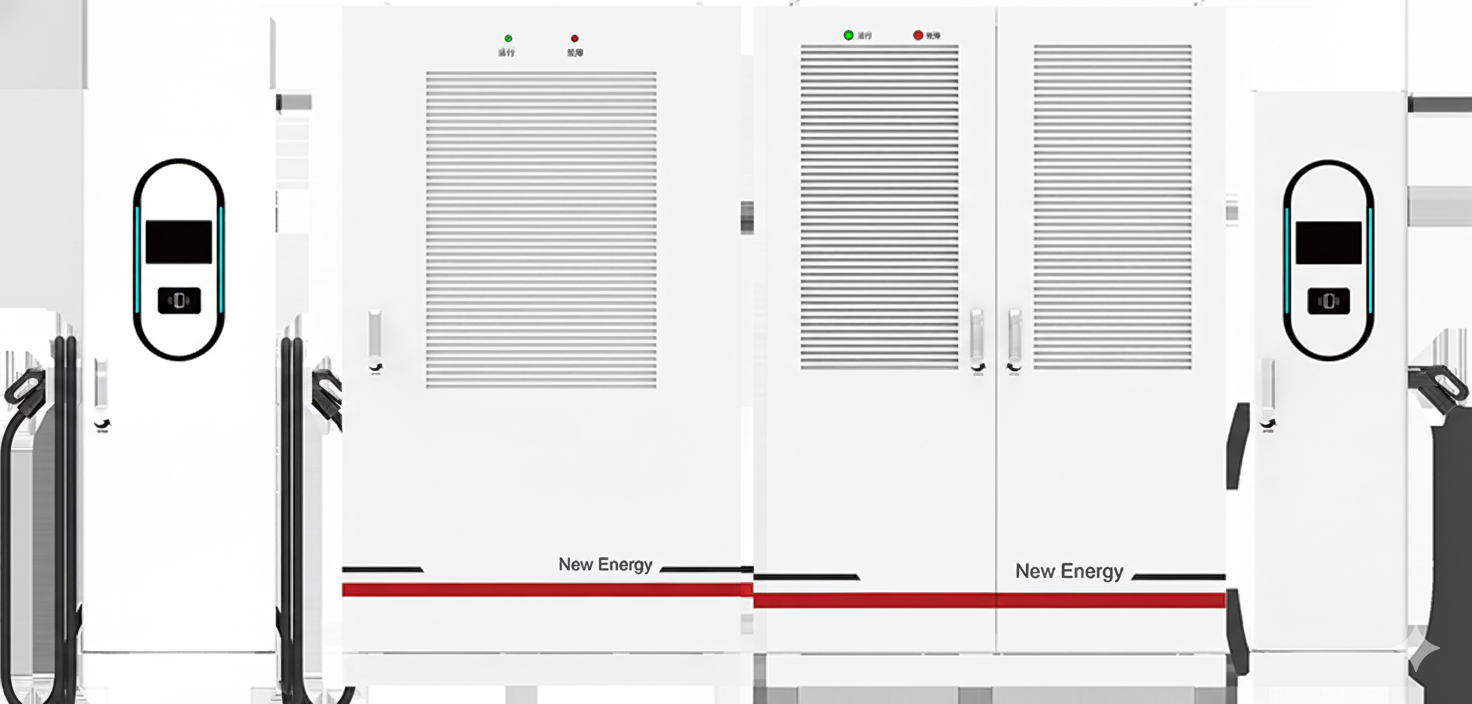
An All-in-One Battery Energy Storage System integrates battery modules, power conversion systems (PCS), battery management systems (BMS), energy management systems (EMS), and enclosure-level thermal/fire control within a single packaged solution. Unlike fragmented systems assembled from discrete components, these integrated solutions are engineered for fast deployment and unified operation at commercial and industrial (C&I) sites.
Why Commercial Backup Power Demands More Than Just Batteries
Backup power for commercial buildings encompasses far more than supplying stored energy during outages. Facilities require graded redundancy, seamless transfer between grid and battery power, and fast reaction to sensitive loads such as data servers or medical equipment. All-in-One BESS platforms address these challenges by providing instant switchover, custom control strategies for load prioritization, and compliance pathways for site permitting and ongoing insurance.
Key Components and Technical Architecture
Battery Modules
The battery modules serve as the system’s core energy reservoir, typically leveraging high-cycle-life lithium-ion chemistries compliant with IEC 62619 for electrical safety and UN 38.3 for transportation. Module architecture is designed to handle rapid charge/discharge cycles and is protected against overcurrent, overtemperature, and short circuits.
Power Conversion System (PCS)
PCS units convert DC energy from batteries to facility-compatible AC power and vice versa. Proper PCS sizing is crucial to match backup needs: oversized PCS inflates cost, undersized PCS restricts response. In All-in-One BESS, the PCS is fully integrated and directly coordinated with the EMS and BMS for load tracking and transition smoothness.
Battery Management System (BMS)
The BMS is responsible for cell balancing, health diagnostics, and rapid fault isolation. Industrial BMS platforms provide real-time data for SOC (state of charge), SOH (state of health), and critical alarms, forming the backbone of safe, reliable backup operation.
Energy Management System (EMS)
Advanced EMS modules oversee fleet-wide dispatch strategies, grid transitions, and backup scheduling. For commercial backup power, EMS rules can prioritize critical loads, coordinate with building automation, and execute demand reduction in real time depending on utility pricing and outage events.
Thermal Management and Fire Protection
Thermal and fire management strategies—ranging from forced air cooling to liquid cooling and integrated fire detection/suppression—are embedded in the system enclosure. Fire safety engineering must reference frameworks such as UL 9540/9540A and NFPA 855 as well as adhere to site-specific local regulations for siting and permitting.
Engineering and Compliance Standards
Relevant International and Regional Standards
UL 9540 / UL 9540A: Defines system-level fire safety and thermal runaway evaluation in North America.
IEC 62619 / IEC 62933: Addresses international battery cell and complete system requirements.
UN 38.3: Mandates safety tests for lithium battery transport.
NFPA 855: Details fire code and safety provisions for energy storage installations.
CE Marking: Ensures conformity to European safety and environmental requirements.
Grid-Code Compliance
BESS installations interfacing with the utility grid must demonstrate compliance with local interconnection and grid-support criteria, spanning anti-islanding, voltage/frequency ride-through, and inverter certification per regional requirements (e.g., IEEE 1547 in North America, similar standards in Europe/Australia).
Thermal and Fire Risk Mitigation
All-in-One BESS solutions implement real-time temperature sensing, component segregation, and active fire suppression tailored to the chemistry and enclosure volume. Compliance with UL 9540A’s thermal runaway testing and local fire marshal input is fundamental during both procurement and permitting.
Core Applications and Industry Use Cases
Manufacturing: BESS platforms enable production continuity by rapidly transitioning sensitive fabrication lines to backup during grid events and allow for peak demand cost control.
Data Centers: Instant backup power for servers and network equipment, with EMS-driven load prioritization, forms a secondary layer to diesel or UPS systems for enhanced resilience and grid service participation.
Hospitals: Backup for surgical suites, life-support systems, and critical infrastructure where downtime is unacceptable (complementing generators for code compliance and resilience).
Commercial Real Estate: Protects elevators, HVAC, lighting, and access systems from outages, while leveraging load shifting to capture arbitrage on time-of-use tariffs.
Mining Operations: Powers critical hoist, ventilation, and pump loads during grid interruptions in remote, unreliable service areas.
PV Self-Consumption and Load Shifting
BESS systems integrated with rooftop or ground-mount solar arrays allow commercial buildings to use excess solar generation for their own loads, maximizing renewable utilization and minimizing export to the grid under unfavorable pricing. Load shifting via EMS enables drawing stored energy during peak utility rates, reducing operating expenses and exposure to demand charges.
Advantages and Limitations of All-In-One BESS
Advantages
Rapid Deployment: Factory-integrated systems with pre-engineered controls and safety features reduce installation time and complexity.
Unified Warranty and Support: A single point of accountability simplifies troubleshooting, claims, and lifecycle management.
Regulatory Pathways: Integrated fire and safety systems streamline the permitting and insurance approval burden.
Optimization Capabilities: Advanced EMS offers granular cost-reduction strategies, grid service participation, and load prioritization unavailable in conventional diesel backup schemes.
Limitations and Trade-Offs
Footprint Constraints: Integrated enclosures demand sufficient physical space and may present placement challenges on congested sites.
Thermal Management Dependency: Air-cooled systems generally offer simplicity but may face derating or accelerated degradation in high-temperature/low-airflow environments; liquid cooling enables higher power density but introduces additional system complexity and maintenance needs.
Upfront Cost: Initial capex for commercial BESS often exceeds basic generator or UPS installation, though lifecycle operational savings frequently offset this disparity.
Backup Runtime: Storage duration is finite (typically 2–8 hours for commercial BESS), so system sizing and load prioritization are crucial for long outages.
Selecting the Right System: A Buyer's Guide
What Data Is Needed for Sizing and Quotation?
Critical Load Profile: 24-hour power demand curve indicating which circuits require backup, plus historical peaks and outage frequency.
Tariff and Utility Data: Details on time-of-use and demand charges to evaluate peak shaving/load shifting potential.
Site Constraints: Physical footprint, available interconnection voltage/phase, access for installation/maintenance.
Desired Backup Duration and Power: Minimum runtime needed, expressed in kWh (energy) and instantaneous power in kW (load).
Integration Requirements: Existing on-site generation (solar, CHP, generators), building management interfaces, blackout transfer schemes.
Power vs Energy Sizing (kW vs kWh Ratio)
The right ratio depends on application: high-power/low-energy for momentary rides, high-energy/low-power for extended outages or load shifting. Over-rating either parameter inflates cost without commensurate benefit. Credible suppliers analyze your actual load shapes and prioritize sizing to real needs, not just nameplate demand.
Air vs Liquid Cooling: Making the Choice
Air Cooling: Suitable for moderate climates, simpler O&M, but may de-rate in hot environments.
Liquid Cooling: Preferred for high ambient or high-power-density applications; provides tighter thermal control yet requires leakage monitoring and scheduled coolant maintenance.
Grid-Tie vs Backup Capability
Ensure the selected BESS supports all required operating modes. Some systems are grid-tied only (no native transfer switch), while others integrate seamless islanding and grid-forming functions for certified backup power delivery.
Integration and Warranty Scope
Seek solutions where system, PCS, BMS, EMS, and fire management are all warranted together, not piecemeal. Clarify support terms, performance guarantees, and on-site service provisions in writing.
Maintenance Considerations
All-in-One BESS platforms demand periodic inspection and preventative care to maintain safety and extend lifecycle. Core tasks include:
Visual and thermal imaging inspections of battery modules and interconnections
BMS/EMS firmware updates and performance checks
PCS and cooling system filter cleaning or coolant top-ups (as applicable)
Verification of fire detection/suppression readiness per fire code schedules
Annual compliance reporting where required by local AHJ (Authority Having Jurisdiction)
OEMs should provide site-specific maintenance plans and recommended service intervals aligned with safety and warranty requirements.
Frequently Asked Questions
What data does a BESS manufacturer need to size my system accurately?
To produce a tailored quotation and ensure optimal sizing, manufacturers require a detailed load profile (ideally a 15-minute interval dataset for at least a year), utility tariff structures (especially time-of-use and demand charge details), physical site layout, critical vs. non-critical load identification, desired backup duration and power, as well as any local installation or permitting constraints.
Air-cooled vs liquid-cooled C&I BESS—how should I choose?
Air-cooled systems generally suffice in moderately temperate environments and for lower power densities, offering simplicity and reduced maintenance. In high ambient environments, or for large installations where thermal runaway or rapid cycling is a concern, liquid-cooled systems provide superior temperature stability and higher rated output but require coolant management and tighter leak controls. Selection should be driven by climate analysis, backup duty cycle, and site O&M capabilities.
Can All-in-One BESS systems replace conventional diesel generators for backup?
For critical loads with backup runtimes up to several hours, All-in-One BESS offers immediate power, silent operation, and integrated controls. However, for extremely long outage durations or remote sites lacking renewable input, generators may still be required as a tertiary redundancy. Many sites utilize a hybrid approach, using BESS for fast/clean backup and generators for extended outages.
Which fire codes and standards affect BESS installations in commercial buildings?
Key references include UL 9540/9540A (system and thermal runaway), IEC 62619/62933, UN 38.3 (lithium battery transport), NFPA 855 (installation/site safety), and CE marking for European markets. Local adaptation and additional requirements can be imposed by fire marshals, utilities, and building inspectors—thus early engagement with compliance stakeholders is essential.
What ongoing maintenance is required for commercial BESS?
Preventive maintenance routines include regular BMS/EMS checks, PCS and battery inspections, filter replacement or coolant service for thermal management, fire system testing, and firmware updates. OEMs will provide site-tailored maintenance schedules to align with warranty and regulatory needs.
Conclusion: Next Steps to Secure Reliable Backup Power
Committing to backup power with a C&I All-in-One BESS positions your commercial building to weather grid instability, lower energy spend, and maintain compliance with evolving safety standards. To get started, gather your site’s load and tariff data, clarify critical backup requirements, and consult with an integrated system provider to initiate a tailored solution proposal.